
The Psychology of Solo Festival Going: Cultivating Independence in the Crowd

The Psychology of Solo Festival Going: Cultivating Independence in the Crowd
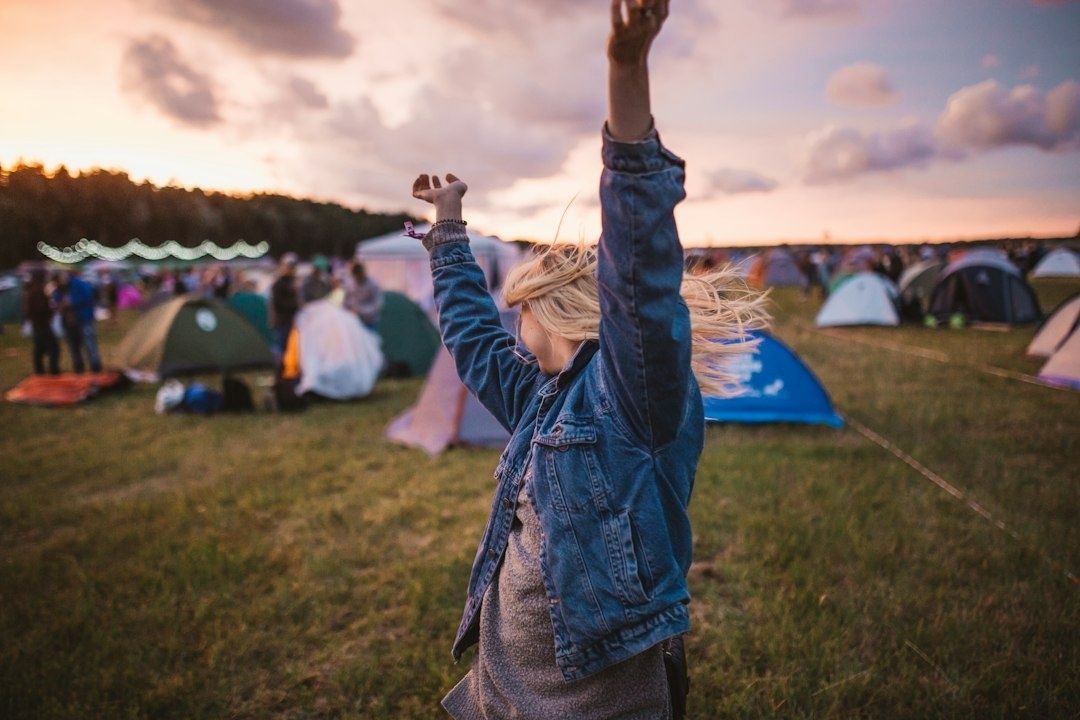
The Psychology of Solo Festival Going: Cultivating Independence in the Crowd
Stepping Into the Sonic Sanctuary Alone
Music festivals are often marketed as group adventures, complete with matching outfits, shared playlists, coordinated arrival times, and a permanent cluster of friends moving from stage to stage. That image can make a solo ticket feel like a lesser version of the experience, as if the real festival begins only when a squad is assembled. In practice, the crowd does not ask who arrived with you. Once the lights drop and the first bass line rolls across the field, attention shifts toward the stage, the sound, and the thousands of people responding together.
The first entrance can still feel vulnerable. A massive crowd is exciting when there is a familiar person beside you, but without that anchor, every decision becomes visible to your own mind. Where should you stand? Is it strange to eat alone? Who will notice if you move to another stage? These questions are usually louder internally than they are in the festival grounds. When navigating music festivals independently, cultivating psychological presence helps attendees tap into transformative collective energy rather than remain trapped in self-consciousness.
Solo attendance changes the story from “being alone at a festival” to choosing an experience on entirely personal terms. You can follow curiosity, protect your energy, discover an unfamiliar artist, or leave a set without negotiating the decision. The weekend becomes a practical exercise in independence, but it also becomes something more emotional: a chance to trust your instincts while still belonging to a crowd. The result is not isolation. It is autonomy surrounded by sound, movement, and shared anticipation.
The Science of Collective Effervescence in the Crowd
The sociologist Emil Durkheim used the term collective effervescence to describe the heightened energy people experience when they gather around a meaningful shared event. It combines a sense of connection with the feeling that something larger than ordinary life is unfolding. A festival field offers an especially vivid setting for this phenomenon. Thousands of people may have different backgrounds, routines, and reasons for attending, yet a single chorus, drop, or lighting cue can align their attention within seconds.
Recent research gives this familiar festival feeling a psychological framework. Across four studies involving 789 participants, researchers examined how collective effervescence operates at live music events. The work, available through the published research paper, found that collective effervescence predicted enjoyment and meaning during performances beyond related experiences such as flow, awe, and emotional synchrony. It was also associated with greater happiness later, including positive effects that could remain noticeable days after the event.
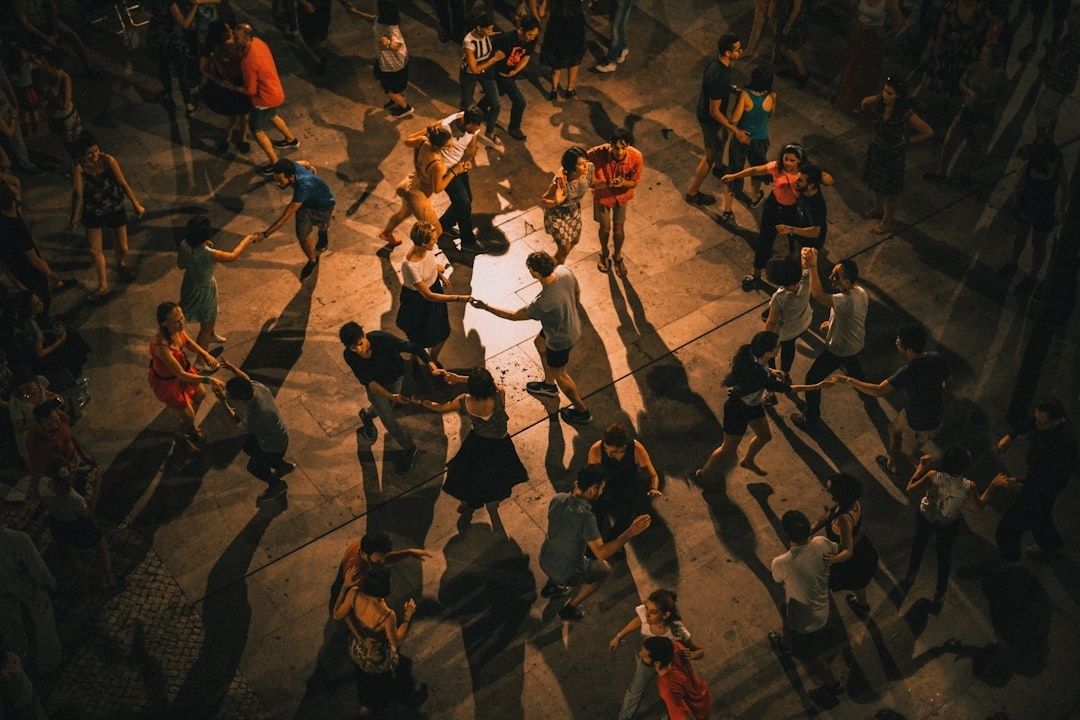
Synchronized movement is part of the mechanism. When strangers clap on the same beat, sing identical lyrics, raise their hands together, or turn toward a stage-wide visual moment, the body receives evidence of social alignment. That alignment can make a solo attendee feel connected without requiring a formal introduction or a new friendship. A University at Buffalo study similarly found that collective effervescence consistently predicted well-being and that live music”s benefits came not only from the performer, but also from the audience connections formed around the performance. Details from the research are summarized by the University at Buffalo.
| Festival experience | Potential effect for group attendees | Potential effect for solo attendees |
|---|---|---|
| Choosing performances | Shared decisions can create companionship, but may involve compromise. | Immediate choices follow personal curiosity and energy levels. |
| Peak musical moments | Friends provide familiar emotional reinforcement. | Attention may become more fully absorbed in the artist and crowd. |
| Movement through the venue | Coordination can provide reassurance but slow spontaneous exploration. | Easy movement between stages, food areas, rest spaces, and exits. |
| Social connection | Existing bonds remain central throughout the day. | Brief, low-pressure connections with strangers can feel more open. |
This does not mean solo attendance automatically produces a deeper experience, or that groups weaken the psychological impact of live music. A trusted friend can make a difficult day easier and add meaningful memories. The distinction is that solo festivalgoers often have fewer conversational demands competing with the performance itself. During a climactic set, there is no need to check whether everyone is comfortable, preserve a meeting plan, or explain the decision to stay for one more song. The mind can settle into the collective moment with unusual intensity.
Total Stage Autonomy and Zero Compromise
Every experienced festivalgoer knows the pressure of the schedule. One friend wants the indie breakthrough on the outdoor stage, another insists on the headliner, and someone else has discovered a surprise DJ set across the grounds. A group chat fills with screenshots of the timetable, while every proposed route creates a new disagreement. This is clashfinder paralysis: so much effort goes into optimizing the day that the day itself starts to feel like an administrative task.
Going alone removes that friction. If an opening act sounds promising, you can arrive early and stay close. If a set loses momentum, you can leave after three songs without worrying about anyone”s investment. An unexpected artist can become the weekend”s highlight simply because there is room to investigate. The same freedom applies to rest. Sitting on the lawn, browsing the food stalls, or taking a quiet break in a shaded area is not a failure to maximize the ticket. It is part of managing the experience well.
Solo movement also reduces one of the most stressful festival problems: losing friends in a low-signal zone. Instead of repeatedly sending messages that fail to deliver, you can establish a personal route and make decisions in real time. A strong solo plan does not require seeing every major act. It requires knowing which performances matter most, leaving space for discovery, and recognizing that a sustainable pace often produces more memorable music than an exhausting race across the site.
- Build the day around two or three priority sets rather than an overloaded schedule.
- Mark appealing alternatives in different parts of the lineup so spontaneous changes feel easy.
- Choose a recognizable landmark for orientation, even when no meeting point is required.
- Leave buffer time for queues, walking, food, hydration, and unexpected discoveries.
- Treat leaving a performance early as useful information, not as wasted time.
Essential Survival Tactics for the Independent Festivalgoer
Independence works best when it is supported by preparation. Before entering the grounds, check the festival”s official rules for permitted bags, water containers, medication, re-entry, transport, and prohibited items. Save the ticket offline, screenshot the site map, and identify the main entrance, medical point, water stations, accessible facilities, and a clearly defined exit route. A landmark near the center of the site can help with orientation, while a second landmark near transport makes the end of the night calmer.
Social confidence does not require turning every encounter into a friendship. Festivals naturally create brief micro-interactions: asking whether a space is free, complimenting someone”s outfit, discussing the previous song, or sharing a reaction to an especially powerful chorus. These exchanges can provide warmth without creating an obligation to spend the rest of the day together. A simple “enjoy the set” is enough to close the moment gracefully. The goal is permeability, not permanent attachment.
Physical self-reliance matters just as much. A charged phone is useful for tickets, maps, emergency communication, and transport information, but it should not become the only navigation tool. Carry a compact power bank, keep it accessible, and recharge during a meal or rest period when possible. Wear broken-in shoes, bring layers for changing temperatures, use hearing protection, and keep water and food in the day”s calculations. Fatigue can resemble anxiety, so addressing the body often improves the mind”s ability to stay present.
- Check the conditions. Review weather, transport, venue rules, set times, and the location of essential services before leaving accommodation.
- Set a personal baseline. Eat a proper meal, hydrate, charge devices, and decide in advance how much heat, standing, alcohol, and late-night activity feels manageable.
- Create orientation anchors. Note the entrance, medical facilities, water points, toilets, a central landmark, and the route back to transport or lodging.
- Choose a communication plan. Tell a trusted contact where the festival is, when the day is expected to end, and how updates will be shared.
- Pack for self-sufficiency. Bring permitted essentials such as identification, medication, ear protection, a power bank, weather protection, and a small amount of emergency cash.
- Reassess throughout the day. Before each major move, ask whether the body needs water, food, shade, quiet, or an earlier exit.
A clear exit strategy is not pessimistic. It is what makes exploration feel safer. Know whether taxis collect from a designated area, whether public transport continues after the headliner, and where to go if weather interrupts the program. If a situation feels wrong, leave it without debate. Move toward staff, security, medical personnel, or a populated public area. Solo confidence is not the refusal to need help. It is the ability to recognize when help is appropriate and seek it promptly.
Overcoming the Spotlight Effect and Embracing Stillness
The spotlight effect describes the tendency to overestimate how much other people notice and judge individual behavior. At a festival, this can make eating alone, standing alone, or walking between stages feel conspicuous. In reality, most attendees are absorbed in their own experience, their friends, the next act, or the practical challenge of finding water. A person checking a schedule may feel exposed, but to everyone else, that person simply looks like another festivalgoer making a plan.
Stillness deserves equal status with dancing. A solo attendee can sit through an intermission without filling the silence, enjoy a meal without managing group conversation, or return to a hotel before the after-party becomes a test of endurance. Accounts of solo festival attendance, including a reflective report from Vogue, show how independence can make it easier to pace the day, respond to weather, and listen to the body rather than perform an idea of youth or nonstop celebration.
- Eat when hungry instead of waiting for a group”s preferred meal time.
- Rest before exhaustion turns a good day into an ordeal.
- Watch a set from the edge of the crowd if that position offers better comfort and sound.
- Use quiet moments to notice breathing, temperature, surroundings, and anticipation.
- Allow a low-key hour to count as part of the festival rather than an interruption.
These choices build transferable resilience. You practice making decisions with incomplete information, tolerating brief uncertainty, and remaining open to connection without depending on constant reassurance. Solo travel advocates often describe the same benefit: independent choices reveal personal rhythms, limits, sources of excitement, and causes of fatigue. A festival compresses that learning into a vivid weekend, with music providing an emotional soundtrack for new self-knowledge.
Claim Your Place on the Festival Field
A solo festival ticket is not evidence that the experience has gone wrong. It is a small, highly practical declaration of self-trust. It says that a favorite artist does not need to wait for everyone”s calendar to align, that curiosity is worth following, and that belonging can be felt before a conversation begins. The crowd”s energy is available to anyone willing to enter it, whether they arrive with ten friends or walk through the gates alone.
Book the ticket, study the lineup, prepare the essentials, and design a weekend that respects both excitement and recovery. Arriving alone leaves more room to be swept into a chorus, a sunrise set, an unfamiliar stage, or a shared reaction that needs no introduction. Live sound does not become smaller when experienced independently. With the right preparation, it becomes a direct route to freedom, presence, and the unmistakable electricity of being part of something larger.
