
Designing for Neurodiversity: The Rise of Sensory Safe Spaces at Music Festivals

Designing for Neurodiversity: The Rise of Sensory Safe Spaces at Music Festivals
Designing for Neurodiversity: The Rise of Sensory Safe Spaces at Music Festivals
Redefining Festival Energy for Every Mind
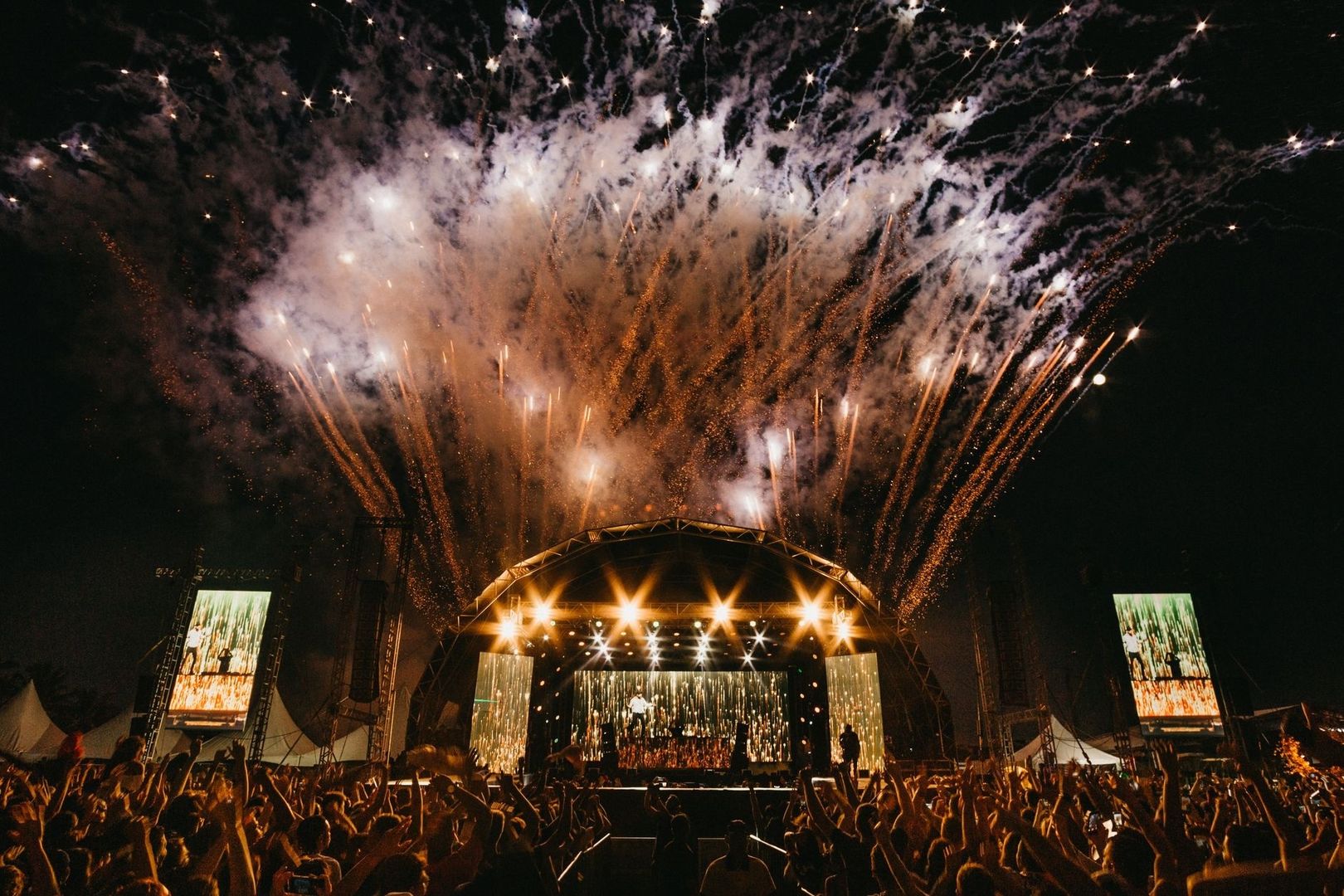
A modern music festival is built to hit the senses. Bass rolls through the ground, lights sweep across the crowd, artists command enormous emotional peaks, and thousands of people move as one audience. That intensity is part of the magic, but the same combination of sound, brightness, motion, heat, touch, and unpredictability can push some attendees past excitement and into sensory overload. When the nervous system has no obvious place to pause, a highly anticipated set can become impossible to enjoy.
Festival accessibility was once too often framed around a medical tent, a reserved viewing area, or an accommodation handled privately after a problem emerged. The stronger model treats sensory access as part of the event”s central geography from the beginning. Decompression pods, quieter routes, transparent schedules, and clear acoustic information do not dilute the atmosphere. They help more people remain present, make confident choices, and return to the dance floor when they are ready. Neurodiversity-informed production therefore becomes a creative advantage, protecting the communal electricity that makes live music matter.
The Science of Sensory Overload in Live Music Settings
Festival environments can produce several simultaneous stressors. High-decibel low frequencies travel through the body as much as through the ears, while strobe effects and rapidly changing screens demand constant visual processing. Dense crowds add unpredictable contact, restricted movement, strong smells, heat, and the pressure of navigating unfamiliar ground. For a person with heightened sensory sensitivity, the challenge is not simply that one element is loud or bright. It is the cumulative load, arriving faster than the nervous system can filter and organize it.
Sensory processing differs widely among neurodivergent people, including autistic people, people with attention-deficit hyperactivity disorder, and people with other neurological or mental health conditions. Some attendees may seek intense input, while others may become distressed by specific frequencies, flashing light, overlapping conversations, or the loss of personal space. Established clinical research on sensory processing illustrates why multi-sensory settings can overwhelm the nervous system rapidly, even when an individual appears comfortable at first. Readers accessing related evidence may first encounter Checking your browser before the full text loads.
That knowledge is changing the production conversation. Sensory safety is increasingly understood as event infrastructure, alongside toilets, water points, access routes, security, and first aid. It requires advance information, trained staff, realistic sound planning, and spaces where an attendee can regulate without being treated as an emergency. Useful measures include:
- Published warnings for strobe lighting, pyrotechnics, extreme volume, smoke effects, and unusually dense areas.
- Quiet or low-stimulation rooms staffed by people who understand sensory distress and respectful support.
- Clearly marked exits, accessible routes, seating options, and areas where attendees can observe without entering the thickest part of a crowd.
- Consistent communication across websites, ticketing platforms, mobile apps, signage, and onsite teams.
Decompression Pods and Low-Frequency Sanctuaries Across Grounds
The most effective decompression spaces are not hidden at the far edge of the site. They sit close enough to major stages that an attendee can step out of a surge without abandoning the performance entirely. A pod near a headline arena might offer a view of the stage on a screen, a controlled audio feed, or simply a calm place to reset before deciding whether to return. Location matters because a distant sanctuary can turn a brief regulation break into a long, exhausting evacuation from the festival experience.
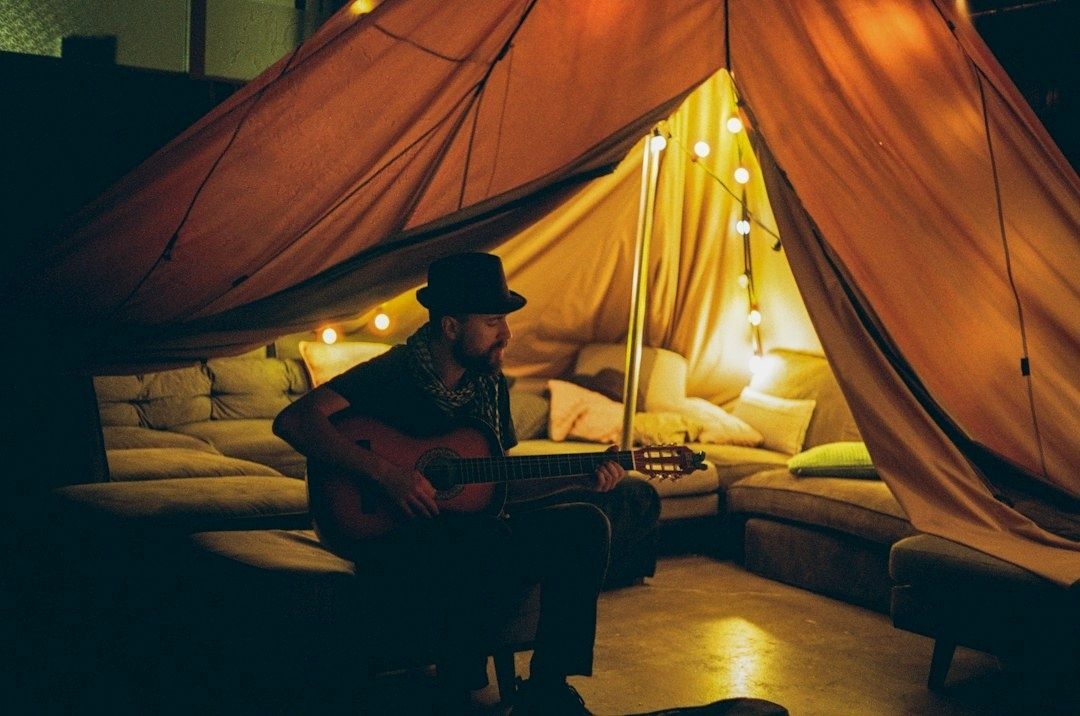
Design should focus on choice rather than a single definition of calm. Acoustic treatments may include absorptive wall panels, curtains, baffled ceilings, low-frequency control, and carefully positioned entrances that prevent sound from pouring directly inside. Lighting can be warm, steady, dimmable, and free from unnecessary movement. Tactile features might include weighted cushions, varied textures, rocking furniture, or open floor space. Some visitors need near silence, while others regulate through a quiet, predictable soundscape, so the best sites provide zones with different levels of stimulation rather than one supposedly universal setting.
| Feature | Purpose | Production consideration |
|---|---|---|
| Acoustic separation | Reduces bass pressure and competing sound | Test the space during peak programming, not only during setup |
| Soft, stable lighting | Limits glare, flicker, and visual fatigue | Publish lighting information and avoid abrupt transitions |
| Flexible seating | Supports different physical and sensory needs | Include upright seats, floor options, clear circulation, and companion space |
| Low-demand communication | Allows people to rest without explaining themselves | Train staff to offer help without forcing conversation |
| Performance connection | Keeps attendees linked to the festival | Consider a screen, low-volume feed, or stage information display |
A modern chill sanctuary should also be distinct from a medical station. Medical facilities are essential for illness, injury, and acute health needs, but a sensory space is a preventative and cultural-access measure. It should feel welcoming, non-clinical, and available before distress reaches crisis point. Work led by disabled and neurodivergent practitioners is helping move this standard forward, with initiatives such as Attitude is Everything”s Future Leaders supporting sensory-safe performances, accessible venue design, and community-informed live-event practice.
Wayfinding Quiet Pathways and Sensory Mapping
A festival map should show more than stages, bars, toilets, and sponsor activations. It should reveal how the site feels. Low-stimulation transit corridors can connect major performance areas through wider paths, reduced advertising audio, predictable lighting, and fewer bottlenecks. They do not need to be silent or empty. Their purpose is to provide a more manageable route between high-energy zones, especially before and after headline sets when crowd density changes quickly.
Sensory mapping gives attendees the information needed to make their own decisions. A digital map might rate zones by typical decibel range, crowd density, lighting intensity, surface conditions, shade, and availability of seating. Physical boards should use high contrast, plain language, clear symbols, and consistent colour coding. Because conditions change during the day, maps should distinguish between permanent features and live updates. A corridor that feels calm at mid-afternoon may become congested during a major stage changeover, and the audience deserves a realistic picture rather than a reassuring but static diagram.
- Sound: Identify stages, speaker arrays, bass-heavy areas, and quieter listening points.
- Light: Mark venues using strobes, lasers, projections, pyrotechnics, or rapidly changing LED content.
- Movement: Show steep ground, narrow gates, queues, crowd pinch points, and alternative routes.
- Recovery: Locate decompression rooms, shaded seating, water, toilets, staff points, and calm meeting areas.
This approach also connects festival design with broader public investment in equitable cultural space. Accessibility is not only a private service purchased through a ticket. It reflects how communities plan public environments, allocate resources, and measure participation. Connecticut”s public recovery reporting, available through state accessibility initiatives, shows how large civic funding programmes can support public health, behavioural health, education, and community infrastructure. For festivals, the lesson is practical: sensory access should be planned as a durable public benefit, not added as a temporary gesture.
Smart Toolkits for Navigating High-Octane Lineups
Good design reduces the burden on attendees, but personal preparation still helps. High-fidelity earplugs can lower harmful volume while preserving musical detail, which is especially useful when moving between a loud main stage and a quieter area. Polarized or tinted lenses may help with glare, although attendees should avoid any eyewear that affects safe navigation. Tactile stim tools, a familiar hat or hood, comfortable layers, a portable fan, water, and a charged phone can all make a long day more manageable.
Planning with friends is equally important. A crowded festival is a difficult place to negotiate a new meeting point, and phone service may be unreliable. Choose a recognizable rendezvous location away from the busiest exit lanes, agree on a time window, and establish what happens if someone needs to leave a set immediately. No attendee should have to justify taking a break. A simple message or agreed signal can communicate that a person is heading to a quiet zone and will reconnect later.
- Review the access page early. Look for sensory warnings, quiet-space details, accessible routes, visual schedules, contact information, entry procedures, and rules for support people or service animals.
- Study the site map before arrival. Mark stages, decompression areas, water, toilets, transport links, medical support, food options, and low-stimulation routes.
- Build a flexible schedule. Choose priority sets, but leave recovery time between them. A festival plan works better when it includes pauses rather than treating every minute as a commitment.
- Pack the regulation kit. Include ear protection, sensory tools, medication if prescribed, hydration supplies, weather protection, and a backup charging option.
- Ask specific questions. Contact access staff before the event if information is unclear. Organizers can only improve systems when attendees identify missing details and report what worked.
Venue examples show why specificity matters. Deer Valley Music Festival advises neurodiverse visitors about quieter areas, earplugs, lodge space, and seating at the edges or top of the hill, while also explaining the site”s steep and uneven conditions. That kind of honest advance information lets attendees assess the environment rather than discovering its demands at the gate. The strongest access communication is not vague reassurance. It is a practical forecast of what the day will feel like.
Embrace the Next Era of Inclusive Live Sound
Sensory accommodations do not ask live music to become quiet, cautious, or predictable at every moment. They protect its electric core by giving more people a way to participate on their own terms. A fan can move from a low-frequency sanctuary back into a demanding club set, watch a headliner from the edge of the crowd, or choose a calmer route without losing connection to the event. That flexibility turns access into continuity, not separation.
Concertgoers, promoters, artists, access workers, and local authorities all have a role in setting the next standard. Ask for sensory maps, clear warnings, well-placed decompression spaces, trained staff, and feedback systems that include neurodivergent voices from the planning stage onward. The future of festival culture is not a single ideal way to experience a set. It is a shared landscape where thousands of different sensory thresholds can coexist, and where every person has a credible route toward the sound, the crowd, and the moment that brought them there.
