
Behind the Tap: The Hidden Engineering Bringing Safe Water to Open-Field Festivals

Behind the Tap: The Hidden Engineering Bringing Safe Water to Open-Field Festivals
Behind the Tap: The Hidden Engineering Bringing Safe Water to Open-Field Festivals
The Underground Lifeline Powering Open-Field Music Magic
When tens of thousands of people pour into an open field for a weekend of music, the visible spectacle is easy to understand. There are towering stages, lasers cutting through dusk, food trucks, camping lanes, and crowds surging toward the next set. Less visible is the network that allows everyone to refill a bottle, wash their hands, prepare food, and cool down without giving a second thought to where the water comes from.
Many large festivals occupy former pastures, farmland, airfields, or remote estates where permanent mains connections, sewers, and treatment systems are limited or absent. Organisers therefore have to create a temporary utility district, often in a matter of days. Tankers, storage bladders, pumps, pipes, valves, sampling points, drainage channels, and emergency plans work together beneath the festival surface. The result is a pop-up civil engineering project that has to perform reliably while thousands of people dance, camp, eat, and sleep above it.
Sourcing Potable Water from Scratch in the Middle of Nowhere
The first challenge is securing enough water from a source that can be verified, accessed, and replenished throughout the event. For many greenfield festivals, contracted potable-water tankers are the most practical option. Trucks deliver treated water to sealed tanks or flexible storage bladders, where it can be held until booster pumps send it into the site distribution network. Tanker access, turning space, delivery windows, and backup capacity all become part of the site plan.
Other events may use a private borehole, well, spring, or an existing mains connection. A remote agricultural borehole is not automatically suitable for public consumption. It must be assessed, tested, protected, and managed according to the relevant local rules. The source, pipework, storage equipment, and dispensing points all form part of the same risk assessment. The Drinking Water Inspectorate guidance for festivals stresses that temporary supplies may come from tankers, private sources, or public mains, and that organisers must plan monitoring around the size, duration, location, and vulnerability of the event.
Sanitation begins before the water reaches the festival site. Tankers must be intended for potable water, hoses must be food-grade and clean, and storage vessels need documented cleaning and disinfection. Connections are protected from soil, standing water, fuel, chemicals, and accidental contact. Equipment reused from a previous event has to be inspected rather than assumed safe. A single contaminated hose or poorly sealed coupling can compromise an otherwise well-managed supply.
Demand planning is equally important. A multi-day camping festival may require roughly 10 to 15 litres per person for drinking, sanitation, cleaning, food preparation, and beverage service, with demand potentially reaching 20 litres per person in extreme heat. That figure is not simply a bottle-refill estimate. It has to include crew compounds, caterers, showers, toilets, medical facilities, cleaning teams, and contingency reserves.
- Drinking water must cover normal hydration and hot-weather surges.
- Food vendors need potable water for preparation, utensils, ice handling, and handwashing.
- Showers, toilets, cleaning operations, and medical areas require separate demand estimates.
- Storage and tanker plans need reserve capacity for delivery delays, pump failures, or unexpected attendance patterns.
Water managers also have to consider laboratory turnaround times and the movement of samples from a remote field to an approved laboratory. A source that looks clear and tastes normal can still contain harmful microorganisms or excessive chemical contaminants. That is why sampling schedules, water safety plans, and emergency procedures are arranged before the gates open, not improvised between headline performances.
Pipes Pumps and Pressure Manifolds Under Foot
Once water reaches the site, the next task is moving it across a temporary city without creating dangerous pressure swings. Food-grade MDPE pipe is commonly used because it is durable, relatively flexible, and suitable for buried or protected temporary installations. Routes may run along service corridors, beneath temporary access areas, or inside clearly marked protective channels. The system has to be installed so that vehicles, fencing, stage equipment, and foot traffic cannot crush or disconnect it.
At key junctions, heavy-duty manifolds divide the incoming supply into separate branches for camping areas, public hydration points, catering compounds, backstage facilities, showers, and welfare services. A manifold uses multiple valves to control flow through different lines, allowing operators to isolate one branch for maintenance without shutting down the entire festival. This is especially valuable during a busy changeover, when a leaking tap station should not interrupt water to every vendor or campsite.
Pressure booster pumps keep the network responsive when demand spikes. Between major sets, thousands of people may head toward refill points at the same time. Variable frequency drives allow pump motors to adjust their speed as demand changes, rather than operating at one constant setting. That helps maintain a steadier pressure, reduce unnecessary energy use, and limit the damaging surges that can stress temporary pipework.
| Component | What it does | Why it matters at a festival |
|---|---|---|
| Potable storage tank or bladder | Holds treated water on site | Creates a buffer between deliveries and live demand |
| Booster pump | Moves water through the distribution network | Maintains usable flow across a wide or uneven site |
| Variable frequency drive | Adjusts pump speed to demand | Reduces pressure fluctuations during crowd surges |
| Distribution manifold | Splits the supply into controllable branches | Allows targeted isolation and maintenance |
| Isolation and check valves | Control direction and shut off sections | Limit damage and reduce contamination risks |
| Food-grade MDPE pipe | Carries potable water to outlets | Provides a robust temporary route through the site |
Good design also accounts for elevation. A hydration point at the bottom of a field may receive more pressure than one on higher ground, while a long run to a campsite can lose pressure through friction. Engineers use zoning, appropriately sized pipework, pressure regulators, and local storage or pumping arrangements to balance these differences. The goal is not merely to make water emerge from a tap, but to make the service dependable when every tap is working at once.
Guarding the Grid with Backflow Prevention and Real-Time Safety Testing
The most serious water risks are often invisible. Backflow can occur when pressure in a branch line falls and contaminated liquid is pulled or pushed backward into the drinking-water main. A rinse sink, chemical cleaning station, food-preparation area, hose lying in a puddle, or poorly connected vendor appliance can become a contamination pathway if the system lacks suitable protection.
Backflow prevention devices, air gaps, double-check valves, clearly separated non-potable lines, and physical distance between outlets are therefore essential. Temporary food operations also need approved water, handwashing facilities, wastewater collection, and hygienic equipment. The practical connection between plumbing and food safety is direct: a water supply that is safe at the tank can become unsafe at the point of use if a vendor connection is badly installed or poorly maintained. Requirements described in Temporary Food Establishments and Events illustrate how closely potable water, hand hygiene, wastewater, food preparation, and inspection are linked.
Testing regimes depend on the source and local requirements, but water managers may check residual chlorine, temperature, taste, odour, appearance, and microbiological indicators. Coliform testing can indicate possible contamination, while nitrate testing is especially relevant for private wells and agricultural areas. The CDC recommends that private well owners test at least annually for total coliform bacteria, nitrates, total dissolved solids, and pH, while consulting local authorities about additional risks. A festival supply serving the public may require more intensive and event-specific monitoring than a household well.
- Identify every source, tank, hose, pipe branch, outlet, and connection before setup.
- Clean, disinfect, inspect, and document potable-water equipment before it enters service.
- Install backflow protection and keep drinking-water equipment away from sewage, chemicals, fuel, livestock areas, and standing wastewater.
- Take scheduled samples and carry out competent on-site checks, recording results and corrective actions.
- Isolate questionable sections immediately and activate an alternative supply or public communication plan if safety is uncertain.
Daily checks are only one part of the protection system. Operators watch for leaks, damaged covers, unusual pressure changes, cloudy water, odour complaints, and unauthorised connections. Water safety plans should also address interruptions, extreme weather, tanker delays, power loss, and the possibility that a temporary installation is damaged by vehicles or crowd movement. In a festival environment, public health depends on disciplined routine as much as on sophisticated hardware.
Hydration Stations Designed for Raving Crowds
A good hydration station is designed around crowd flow, not just plumbing. Multiple taps reduce queues, while foot-operated or sensor-controlled fixtures allow users to refill bottles without repeatedly touching a shared handle. Stations need enough clearance for people carrying bags, dancing groups returning from a stage, and mobility-aid users. Clear signs help attendees find water quickly, which matters when heat, alcohol, exertion, and long periods of standing increase dehydration risk.
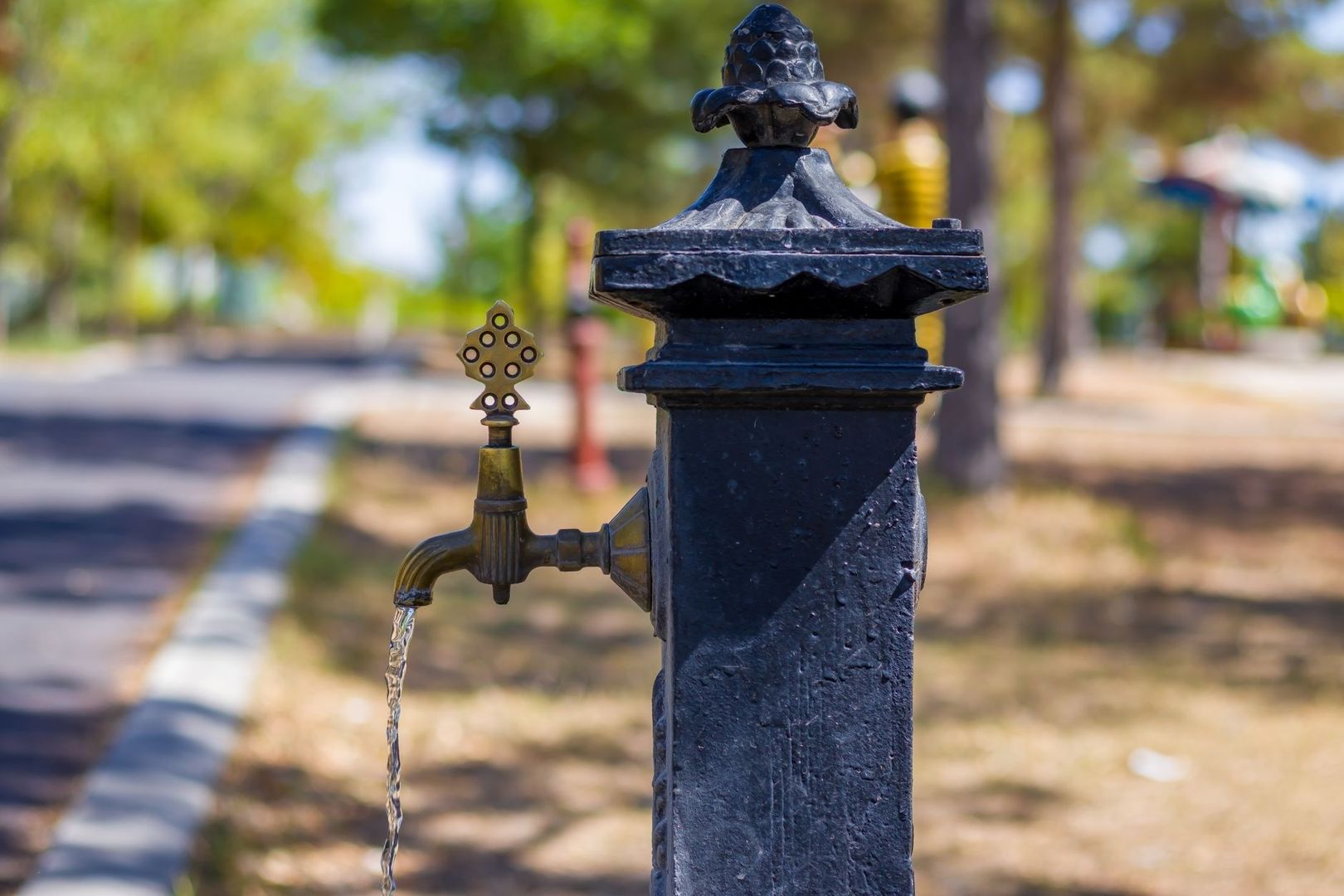
Water management continues after the bottle is full. Without drainage, even a small leak can create a muddy depression that becomes slippery, unsanitary, and difficult to navigate. Operators may use graded surfaces, temporary channels, soakaway arrangements, collection points, or controlled wastewater removal, depending on ground conditions and environmental permissions. Spillage is reduced through auto-stop taps, low-flow fittings, splash management, and prompt maintenance.
- Place stations near major pedestrian routes without narrowing emergency access.
- Provide enough outlets to prevent dangerous crowd compression during peak periods.
- Use stable platforms and drainage measures that remain effective after rain or heavy use.
- Keep taps, hoses, and collection areas visibly clean and easy for crews to inspect.
- Position signs so visitors can spot refill points while moving between stages.
The best hydration spaces become useful meeting points. Friends can regroup, cool down, compare set times, and reset before heading back into the crowd. That social function supports wellbeing because it creates natural pauses in an otherwise relentless schedule. Hydration should be treated as part of the festival experience, not an interruption to it.
Raise Your Bottle to the Unseen Crews Keeping the Rhythm Alive
Every refill tap represents a chain of decisions made long before the first bassline rolls across the field. Water has been sourced, tested, transported, stored, pumped, divided, protected, monitored, and drained. Engineers and water crews must coordinate with production managers, caterers, sanitation contractors, local authorities, medical teams, security staff, and environmental specialists. Their work is temporary, but the standards cannot be temporary.
The next time a festival bottle fills cleanly between sets, spare a thought for the utility teams working behind the stages and along the service tracks, often through the night. Pack a sturdy reusable container, use designated refill stations, avoid contaminating taps with dirty hoses or footwear, and drink regularly rather than waiting until thirst becomes intense. A little attendee cooperation helps protect the network, reduce single-use plastic, limit muddy runoff, and keep the entire open-field experience moving safely from the first act to the final encore.
